
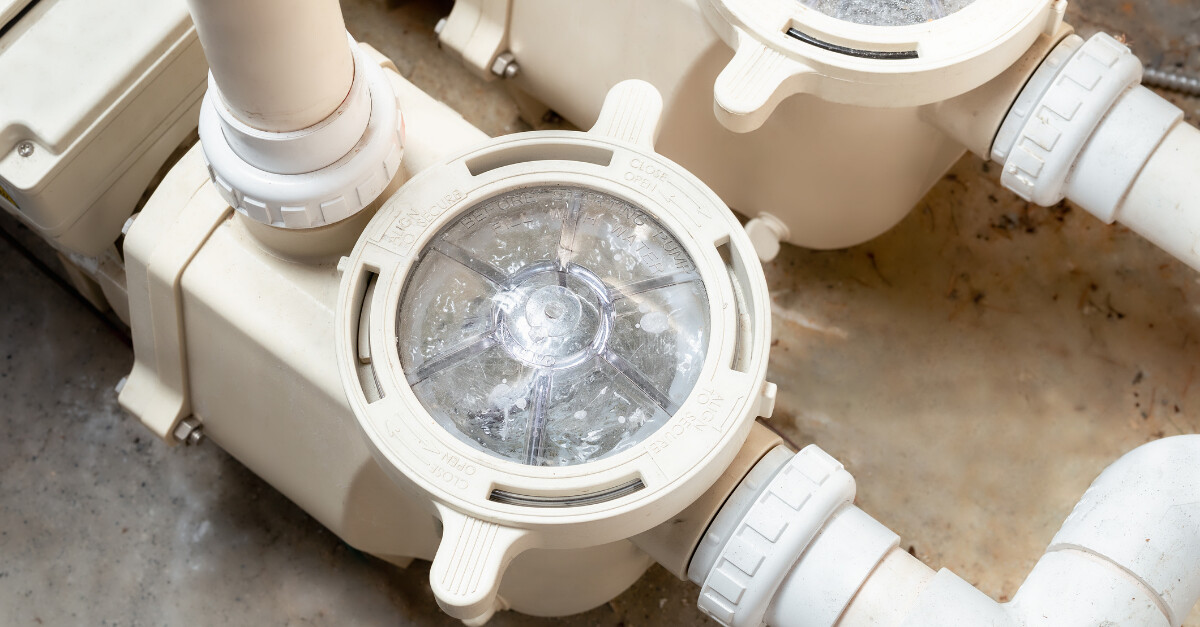
Your pool pump works hardest during a Northeast Florida summer. Long filtration cycles, warm water, afternoon storms, and frequent swimming all add hours to its workload. By late summer, a pump that has been quietly developing a problem may finally begin to show warning signs.
Most pumps do not fail without notice. Changes in sound, water flow, pressure, or the pump basket often appear first. Catching those changes early can mean a simple seal, basket, or circulation correction instead of an overheated motor and an unexpectedly green pool.
Why a Struggling Pool Pump Needs Prompt Attention
The pump keeps water moving through the filter and returns treated water to the pool. When circulation slows or stops, debris remains suspended, sanitizer is distributed unevenly, and algae gets an opportunity to grow. In hot weather, clear water can become cloudy or green much faster than many homeowners expect.
Turn the pump off at the breaker before opening the pump lid, clearing a blockage, or touching equipment. Never reach into a powered pump, and leave wiring, capacitors, and motor repairs to a qualified professional.
1. The Pump Sounds Different
A healthy pump usually produces a steady hum. Grinding, screeching, rattling, buzzing, or a sound like small rocks moving through the housing deserves attention.
- Grinding or screeching may indicate worn motor bearings.
- Rattling can come from loose mounting hardware, debris, or vibration on the equipment pad.
- A harsh, gravel-like sound may be cavitation, which happens when the pump is not receiving enough water.
- Buzzing without starting can point to an electrical or motor problem.
A new sound that continues after the baskets are cleaned is not normal seasonal noise. Shut the system down if the sound is severe, if the motor will not start, or if you smell hot wiring.
2. Water Flow Is Weaker Than Usual
Look at the return jets while the pump is running. The flow should feel steady and should look similar from one day to the next. Weak returns, poor skimming, or water features that have lost strength can mean the pump is struggling to move water.
Start with the simple causes. Empty the skimmer and pump baskets, check that the pool water is high enough to cover the middle of the skimmer opening, and clean or backwash the filter when needed. Also make sure valves have not been accidentally moved.
If flow remains weak, the system may have a clogged impeller, suction leak, restricted line, failing motor, or filter problem. Continuing to run the pump without enough water can cause more damage.
3. Air Bubbles Keep Returning to the Pool
A few bubbles immediately after startup can be normal. A steady stream of bubbles from the return jets, or a pump basket that never fills completely with water, often means air is entering the suction side of the system.
Check the water level, skimmer weir, pump lid, and pump-lid O-ring. A dirty, dry, pinched, or cracked O-ring can prevent a proper seal. Tighten the lid by hand according to the manufacturer's instructions. Do not use tools to force it tighter.
Persistent air can make the pump lose prime and run dry. If the basket will not stay full after these basic checks, schedule an inspection before the leak worsens.
4. The Pump Loses Prime or Struggles to Start
A primed pump has a basket housing full of water and begins circulating shortly after startup. If the housing stays partly empty, the pump takes longer than usual to catch prime, or you need to refill the basket repeatedly, something is interrupting the water supply or allowing air into the line.
First confirm that the pool water is not low and the baskets are not blocked. If the pump still loses prime, turn it off. Repeated dry starts create heat that can damage seals and internal components.
A pump that hums, trips the breaker, starts only sometimes, or shuts off after getting hot needs professional attention. Do not keep resetting the breaker. It is a safety device, and repeated trips signal a problem that should be diagnosed.
5. You See Leaks, Rust, or Excessive Heat
Check the equipment pad while the system is running and again shortly after it stops. Water beneath the pump, moisture around fittings, white mineral deposits, or corrosion near the motor can reveal a slow leak. Small leaks rarely correct themselves.
The motor may feel warm during normal operation, especially in Florida heat, but it should not smell burned, smoke, or become so hot that it repeatedly shuts itself off. Keep plants, mulch, stored items, and leaves away from the motor so cooling airflow is not blocked.
Water and electricity are a dangerous combination. If a leak is near electrical connections or the motor housing, shut the pump off at the breaker and call for service.
A Quick Pool Pump Check You Can Do Today
- Listen for any sound that is new, sharp, or irregular.
- Compare the strength of the return jets with normal flow.
- Look for ongoing bubbles in the pump basket and pool returns.
- Confirm the pump basket stays full while the system runs.
- Inspect the equipment pad for water, corrosion, or mineral residue.
- Check the filter pressure against its clean starting pressure.
- Make sure the motor has open space around it for ventilation.
Keep a note or photo of the normal filter pressure and equipment setup. That baseline makes gradual changes easier to notice before they become emergencies.
Do Not Confuse a Pump Problem with a Dirty Filter
Weak flow can come from either side of the circulation system. A dirty filter often raises filter pressure, while a suction restriction or air leak may produce low or unstable pressure. The exact reading depends on the pool, so compare it with the pressure recorded just after the filter was last cleaned.
Poor circulation can also contribute to hazy water. If visibility has already changed, review our guide to common causes of cloudy pool water and address both the water chemistry and the circulation issue.
When to Schedule a Pool Equipment Inspection
Schedule an inspection when a warning sign persists after the baskets and filter are cleaned, when the pump repeatedly loses prime, or when you notice leaks, breaker trips, overheating, or unusual motor noise. Early diagnosis gives you more repair options and reduces the chance of losing circulation during the hottest part of the season.
Southern Oasis includes equipment checks with our residential pool cleaning services. Regular visits make it easier to spot changing pressure, weak flow, leaks, and pump-basket problems before they become failures. Our ongoing pool cleaning plans also keep water chemistry and filtration demands under control, which helps the entire circulation system work as intended.
If your pump is making a new noise or cannot hold prime, use our contact page or call (904) 361-1372. We can inspect the system, explain what we find, and help you address the problem before the pump stops.